
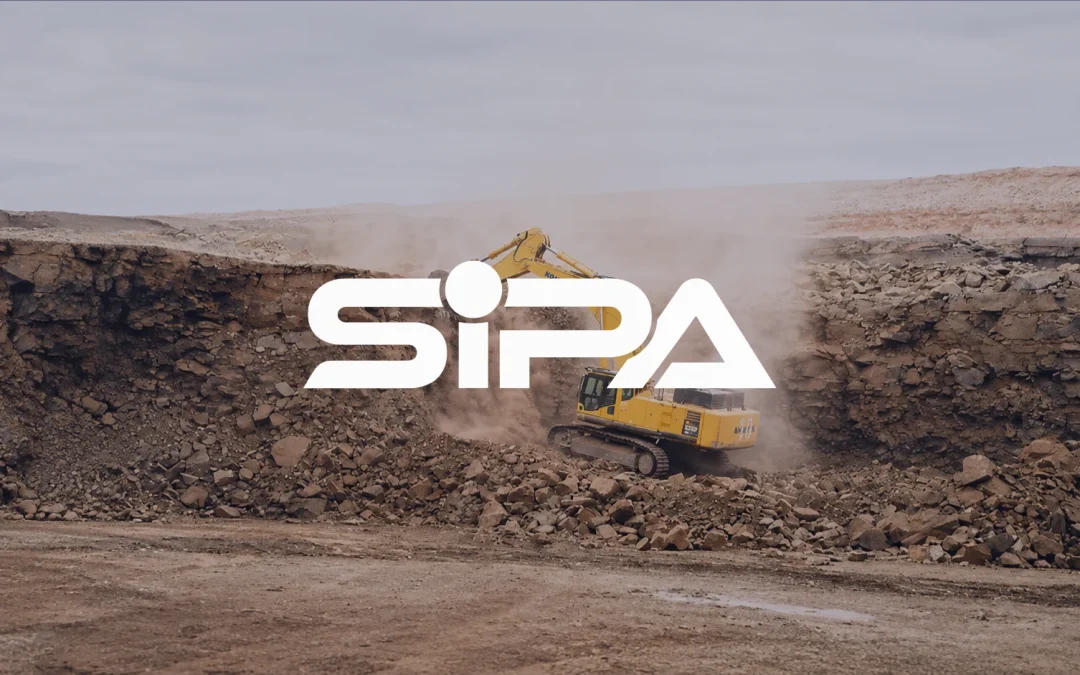
Heavy equipment does not operate under the same conditions everywhere. An excavator working on a mining site faces different challenges from a wheel loader used in a plantation, while equipment operating in forestry, construction, or oil and gas may encounter completely different terrain, weather, loads, and work cycles.
These operating conditions can directly affect machine performance and component wear. Understanding the environment in which equipment operates can help operators and maintenance teams make better decisions about machine use, inspection, and service requirements.
Why Operating Conditions Matter
Heavy equipment is designed to handle demanding workloads, but the conditions surrounding the machine can influence how quickly components experience stress and wear. Factors such as:
- Ground conditions
- Dust and abrasive materials
- Temperature
- Moisture and humidity
- Heavy loads
- Operating hours
- Terrain and slopes
- Frequency of machine movement
can all affect equipment performance.
The same machine may therefore experience different levels of wear depending on where and how it is used.
1. Mining: High Loads, Abrasive Materials, and Continuous Operation
Mining environments can place significant demands on heavy equipment. Excavators, dump trucks, bulldozers, and loaders may operate for long periods while being exposed to rock, ore, dust, vibration, and heavy loads.
Abrasive materials can contribute to wear on components that are regularly exposed to the working environment. Continuous operation can also increase the importance of monitoring machine condition and performance.
Mining equipment may therefore require particular attention to:
- Undercarriage condition
- Hydraulic components
- Engine and filtration systems
- Powertrain components
- Tires or tracks
- Cooling systems
Operating conditions should always be considered when evaluating component condition and service requirements.
2. Construction: Changing Terrain and Variable Workloads
Construction equipment often moves between different work areas and may perform several types of tasks during the same project.
Excavators, wheel loaders, bulldozers, and other machines can encounter uneven terrain, soil, rocks, mud, dust, and changing loads.
Equipment may also be frequently repositioned around a job site, requiring repeated movement, turning, digging, lifting, or material handling.
These conditions can affect:
- Hydraulic systems
- Attachments
- Tires or undercarriage
- Pins and bushings
- Engine and cooling systems
- Structural components
Operators should pay attention to changes in machine behavior when working conditions change significantly.
3. Plantation: Soil, Moisture, and Repeated Routes
Heavy equipment used in plantation operations may work across soil that varies from dry and firm to wet and muddy.
Repeated movement along the same routes can expose machines to uneven terrain, moisture, mud, and vegetation. These conditions can affect traction, mobility, and the cleanliness of components.
Depending on the application, operators may need to pay particular attention to:
- Tire or track condition
- Undercarriage components
- Hydraulic hoses and connections
- Cooling system cleanliness
- Accumulated mud and debris
Keeping equipment clean and monitoring changes in operating conditions can help identify problems before they become more serious.
4. Forestry: Uneven Terrain and Environmental Exposure
Forestry operations can expose heavy equipment to uneven ground, branches, mud, rocks, moisture, and changing terrain. Machines may also operate in areas where access is limited and surfaces are less predictable than on prepared construction sites.
Under these conditions, operators should be aware of:
- Undercarriage or tire damage
- Hydraulic hose exposure
- Structural components
- Attachments and connection points
- Accumulated debris
- Visibility and access conditions
Equipment should be operated according to the manufacturer’s recommendations and the specific requirements of the work environment.
5. Power Plants and Industrial Sites: Dust, Heat, and Continuous Work
Heavy equipment used around industrial or power-generation environments can experience different challenges from mobile construction equipment.
Depending on the facility and application, machines may operate around dust, heat, confined areas, or continuous material-handling activities.
In these environments, attention may be required for:
- Engine and cooling systems
- Filtration
- Hydraulic components
- Electrical systems
- Lubrication
- Visible contamination
The operating environment should be considered when establishing inspection and service routines.
6. Oil and Gas: Demanding Work and Strict Operating Requirements
Equipment used in oil and gas operations can be required to operate under demanding workloads and specific site requirements.
Depending on the application, machines may work around heat, dust, uneven surfaces, or areas where equipment reliability and operational procedures are particularly important.
Operators and maintenance teams should follow the applicable site procedures while paying attention to:
- Fluid leaks
- Hydraulic systems
- Engine performance
- Electrical components
- Tires or undercarriage
- Attachments and working equipment
The exact requirements will depend on the equipment and the operating site.
How Operating Conditions Affect Component Wear
Operating conditions do not affect every component in the same way.
For example, abrasive ground conditions can increase wear on undercarriage components, while heavy hydraulic workloads can place greater demands on hydraulic components.
Similarly, dust and contaminants can affect filtration systems, while excessive heat can influence cooling and lubrication requirements.
This is why equipment condition should always be evaluated together with its operating environment.
Signs That Operating Conditions May Be Affecting Your Equipment
Operators may notice changes when equipment is working under particularly demanding conditions.
Common signs include:
- Increased component wear
- Unusual vibration
- Higher operating temperatures
- Slower hydraulic movement
- Reduced machine performance
- Frequent fluid contamination
- Abnormal tire or track wear
- More frequent component replacement
These signs do not necessarily indicate one specific failure. They should instead be treated as reasons to inspect the equipment and determine what is causing the change.
Adapting Equipment Management to the Work Environment
There is no single maintenance or inspection approach that works equally well for every application.
A machine working in a mining environment may require different attention from equipment operating in a plantation or construction site.
Equipment owners and maintenance teams should consider:
- Where the machine operates
- How many hours it operates
- What type of work it performs
- What loads it regularly handles
- What materials or contaminants it encounters
- How frequently its operating conditions change
Understanding these factors can help teams make more informed decisions about inspections, servicing, component monitoring, and equipment use.
Match Equipment Management to the Application
Heavy equipment performance depends not only on the machine itself but also on how it is used.
The operating environment should be considered when evaluating component condition, planning inspections, and determining whether a machine is being used within its intended application.
For fleet operators, recording operating hours and recurring component issues can also provide useful information about how different working environments affect equipment performance over time.
Conclusion
Heavy equipment can operate across a wide range of industries and environments, but each application presents its own challenges.
Mining may involve abrasive materials and continuous heavy loads, while construction can involve changing terrain and workloads. Plantation and forestry operations may expose equipment to moisture, mud, debris, and uneven ground, while industrial environments can introduce different combinations of heat, dust, and continuous operation.
Understanding these conditions allows operators and maintenance teams to look beyond the machine itself and consider how the working environment affects its performance and component life.
By matching equipment management to the actual operating environment, businesses can make better decisions about inspection, service, and long-term equipment use.