
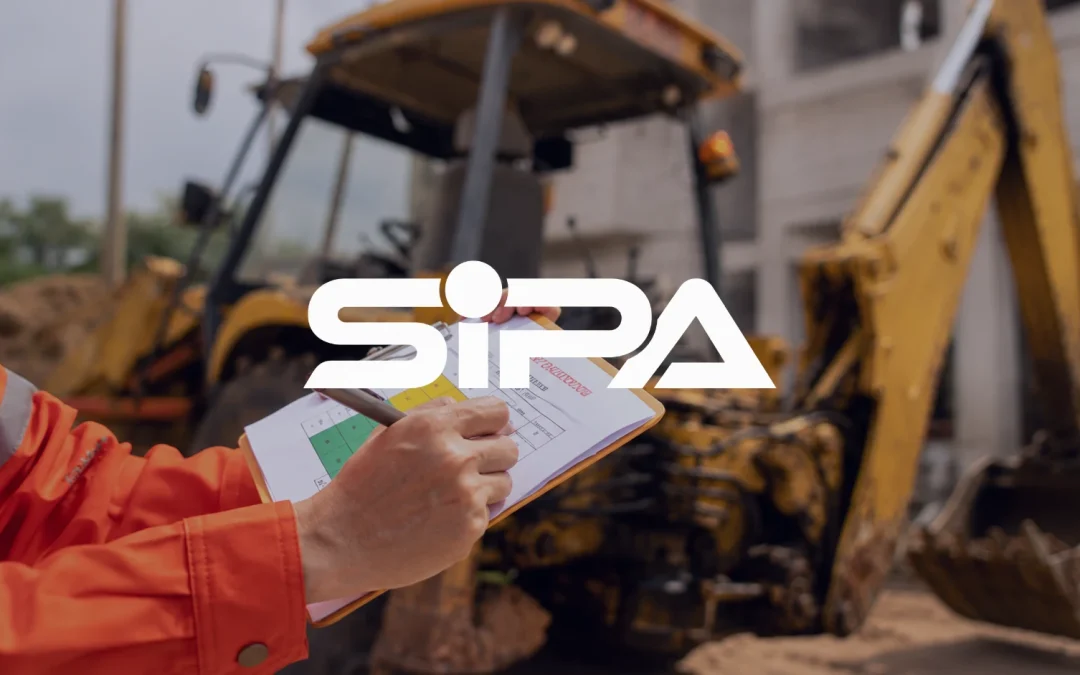
Heavy equipment operates in demanding environments where visibility, terrain, workload, and operating conditions can change quickly. Before an excavator, bulldozer, wheel loader, or other heavy equipment begins work, a proper pre-operation inspection can help identify visible problems that may affect machine performance and safe operation.
A pre-operation inspection does not replace scheduled maintenance or professional servicing. Instead, it provides an important first check before the machine enters a full work cycle.
Why Is Pre-Operation Inspection Important?
Using counterfeit spare parts can lead to multiple risks:
-
Equipment Failure: Fake parts are often made from substandard materials and can cause unexpected breakdowns.
-
Safety Hazards: In critical applications, such as construction or mining, failure of a single component could put lives at risk.
-
Financial Loss: Downtime due to faulty parts can delay projects and increase maintenance costs.
-
Warranty Issues: Manufacturers may void warranties if unauthorized or fake parts are used.
Understanding the dangers of fake components is the first step in protecting your investment.
Heavy Equipment Pre-Operation Inspection Checklist
1. Check the Engine and Fluid Levels
Begin by checking the areas around the engine for visible leaks, loose components, or signs of damage. Depending on the machine and manufacturer’s inspection procedure, check relevant fluid levels such as:
- Engine oil
- Coolant
- Hydraulic fluid
- Fuel
- Other machine-specific fluids
Look for unusual contamination, low fluid levels, or visible leakage. Any abnormal condition should be investigated before the machine is put into operation.
2. Inspect the Hydraulic System
Hydraulic systems are essential to many heavy equipment functions, including boom, arm, bucket, steering, and attachment movement. Inspect:
- Hydraulic hoses
- Fittings and connections
- Cylinders
- Hydraulic lines
- Visible seals
- Areas around pumps and valves
Look for leaks, damaged hoses, loose connections, or other visible abnormalities.
Hydraulic problems should not be ignored simply because the machine is still operating. A small leak or damaged hose can develop into a more serious problem under operating pressure.
3. Check the Undercarriage or Tires
The inspection method depends on the type of equipment. For tracked machines, inspect:
- Track shoes
- Track links
- Rollers
- Idlers
- Sprockets
- Track tension and alignment
- Accumulated mud or debris
For wheeled equipment, inspect:
- Tire condition
- Tire pressure where applicable
- Visible cuts or damage
- Wheel components
- Signs of abnormal wear
The undercarriage and tires directly affect machine mobility and stability, so visible damage or unusual wear should be addressed before operation.
4. Inspect Attachments and Working Equipment
Attachments are exposed to significant loads during operation. Before starting work, inspect the attachment and its connection points. Depending on the machine, check:
- Bucket or blade condition
- Teeth and cutting edges
- Pins and bushings
- Attachment connections
- Hydraulic connections
- Cracks or visible structural damage
- Loose hardware
The attachment should be securely connected and suitable for the intended work.
5. Check Electrical Components and Lights
Electrical problems can affect starting, visibility, warning systems, and machine controls. Inspect visible:
- Battery connections
- Wiring
- Electrical connectors
- Headlights
- Work lights
- Warning lights
- Other required indicators
Any damaged wiring, loose connection, or malfunctioning light should be reported for further inspection.
6. Inspect the Operator’s Area and Safety Controls
Before operating the machine, check the operator’s area and confirm that important controls and safety features are functioning according to the manufacturer’s instructions. Pay attention to:
- Mirrors and visibility
- Seat and seat belt
- Control levers
- Gauges and displays
- Warning indicators
- Horn
- Emergency or safety-related controls
- Access steps and handrails
The operator should have a clear view of the work area and be able to operate the machine’s controls properly.
7. Look for Leaks, Damage, and Loose Components
A final walk-around can help identify problems that may have been missed during individual component checks. Look underneath and around the machine for:
- Oil or hydraulic fluid
- Coolant
- Fuel
- Loose bolts or hardware
- Cracks
- Damaged guards
- Missing components
- Unusual wear
A clean machine can also make leaks and new damage easier to identify during future inspections.
What Should You Do If You Find a Problem?
Finding a problem during inspection does not always mean the entire machine must remain out of service. The appropriate response depends on the type and severity of the issue.
Operators should follow the equipment manufacturer’s procedures and the company’s maintenance and safety requirements.
For a potentially serious issue:
- Do not ignore the problem.
- Report the condition to the responsible maintenance team.
- Record the observed issue when required.
- Have the equipment inspected by an appropriately qualified person.
- Replace or repair the affected component when necessary before returning the machine to operation.
The most important principle is simple: do not allow an unresolved safety or mechanical problem to become an operating failure.
Daily Inspection vs. Periodic Maintenance
Pre-operation inspection and scheduled maintenance serve different purposes.
Daily or pre-operation inspection focuses on identifying visible conditions and immediate concerns before the machine is used.
Periodic maintenance involves more detailed servicing and inspection based on operating hours, manufacturer recommendations, machine condition, and working environment.
Both are important. A machine can receive scheduled maintenance and still require a daily inspection before operation.
Keep an Inspection Record
For fleets, documenting inspections can make equipment management more organized. An inspection record may include:
- Machine identification
- Date and operating hours
- Inspection results
- Problems identified
- Actions taken
- Person responsible for the inspection
- Follow-up maintenance required
Over time, these records can help maintenance teams identify recurring problems and recognize patterns in component wear or machine condition.
Final Checklist Before Operation
Before putting heavy equipment to work, make sure the inspection covers the machine’s key systems:
- Engine and fluid levels
- Hydraulic system
- Undercarriage or tires
- Attachments and working equipment
- Electrical components and lights
- Operator area and safety controls
- Visible leaks, damage, and loose components
A consistent pre-operation inspection takes only a short amount of time, but it can provide valuable information about the condition of the machine before it enters a demanding work cycle.
Conclusion
Heavy equipment inspection should be a routine part of machine operation. By checking critical components before work begins, operators and maintenance teams can identify visible problems earlier and respond before they develop into more serious issues.
A practical inspection routine, supported by proper maintenance records and timely repairs or replacement of damaged components, can help keep equipment ready for work and reduce avoidable operational problems.